
Soaring Oil Prices Drive Wave of Chemical Raw Material Hikes

Mar 18, 2026

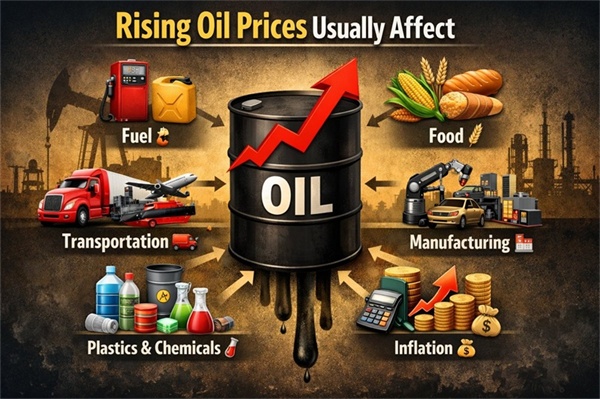
Since March 2026, escalating geopolitical conflicts in the Middle East and shipping disruptions in the Strait of Hormuz have sharply pushed up international crude oil prices. On March 9, WTI crude exceeded $110 per barrel, while Brent crude approached $115 per barrel. Rising oil prices have driven up downstream chemical costs across the board. Prices of most chemical products saw broad increases recently, with acrylic acid surging 106% within ten days and 123.6% over the year. PTA currently stands at 7,000 yuan/ton, up 2,000 yuan/ton from early 2026.

Core Coatings Raw Materials Rise Across the Board
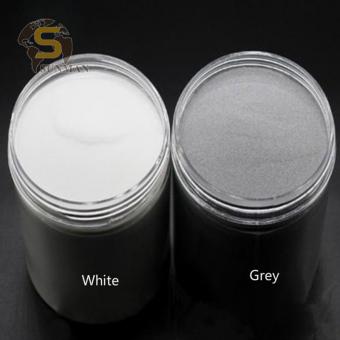
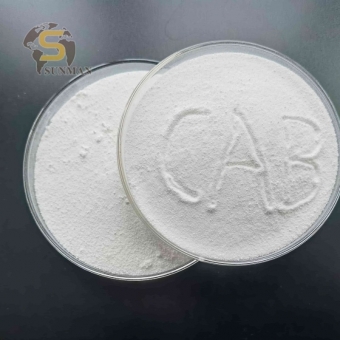
The price hikes have created a cascading effect across the chemical industry chain. Data shows that since early 2026, epoxy resin has risen 7,000–8,000 yuan/ton, curing agent cumulative increases have exceeded 10,000 yuan/ton, and chemical matting agents have surged 20,000 yuan/ton. Titanium dioxide, pigments, and other key materials have also seen significant increases.

The powder coatings industry has also been severely impacted. Among polyester resin raw materials, TMA has risen approximately 17,000 yuan/ton (over 100%), while ethylene glycol and isophthalic acid have increased 40% and over 30%, respectively. Epoxy resin raw materials bisphenol A and epichlorohydrin have risen over 40% and nearly 15% from the beginning of the year.

Industry experts note that resins account for 60%–80% of coating formulation costs, making it impossible for companies to absorb external price pressures internally.

Ink Industry Faces Greater Pressure
Global ink giant Sun Chemical announced price increases for nitrocellulose-containing products in Latin America, effective immediately. Nitrocellulose, a key component in solvent-based printing inks, has seen supply tighten sharply as European defense spending priorities divert industrial supplies to military applications. Following Sun Chemical, Hubergroup also announced price increases due to supply chain disruptions and rising energy costs.

On the raw materials front for inks, both resins and solvents have seen sharp price increases, with solvent costs rising the most and facing particularly tight supply. Key resin binders have posted steep price gains, while solvent prices — including acetates and aromatics — have continued to climb, with some products becoming increasingly difficult to source. The broad-based surge in raw material costs has further intensified cost pressures on ink manufacturers.

Coatings Companies Forced to Raise Prices

On March 13, Nippon Paint issued a price adjustment notice, with increases to be implemented in batches starting April 1.


Looking ahead, industry insiders generally expect raw material prices to remain high in the short term. Geopolitical uncertainty continues to ferment, with no significant signs of relief in the Strait of Hormuz's navigability. If the conflict becomes prolonged, Qatar's Energy Minister has warned that oil prices could even surge to $150 per barrel. From a fundamental perspective, expectations of crude oil oversupply have been completely reversed, with cost-side increases remaining the market's primary focus. For downstream coating and ink factory, under the dual pressures of sluggish demand recovery and high raw material costs, how to absorb cost pressures through refined supply chain management, technological innovation for cost reduction, and product structure optimization will become key tests of their survival capabilities and development resilience.


Obrolan sekarang
Obrolan sekarang
Jika Anda tertarik dengan produk kami dan ingin mengetahui lebih detail, silakan tinggalkan pesan di sini, kami akan membalas Anda sesegera mungkin.

Rumah

Produk.

tentang

kontak