

Kategori
Blog baru.
Memilih Aditif Lilin untuk Pelapis dan Tinta
Jul 15, 2026Dalam dunia material canggih, komponen terkecil sering kali mendorong lompatan kinerja terbesar. Dalam hal pelapis, tinta, dan polimer, aditif lilin adalah pahlawan yang tidak banyak dikenal dalam perlindungan permukaan. Baik Anda merumuskan lapisan bening otomotif dengan kilap tinggi, tinta fleksografi tahan lama untuk kemasan makanan, atau pelapis serbuk yang kuat, pilihan aditif lilin merupakan keputusan penting yang menentukan daya tahan, nuansa, dan estetika produk akhir.
Memilih lilin yang tepat bukan sekadar memilih bubuk; hal ini tentang memahami hubungan rumit antara kimia, morfologi, dan aplikasi. Dari kekerasan Polietilena (PE) hingga gesekan rendah PTFE, setiap jenis lilin menawarkan serangkaian sifat yang unik. Berikut adalah panduan komprehensif Anda untuk menavigasi lanskap kompleks aditif lilin guna memastikan formulasi Anda stabil, konsisten, dan berkinerja tinggi.
Mengapa Lilin? Mendefinisikan Peran Fungsional
Aditif lilin memberikan beragam modifikasi permukaan. Tergantung pada tingkatannya, aditif ini dapat meningkatkan secara signifikan:
· Kelicinan dan Koefisien Gesekan (COF): Mengurangi kelengketan agar memungkinkan penumpukan dan penanganan yang lancar.
· Ketahanan Abrasi dan Goresan: Melindungi film dari kerusakan mekanis dan bekas gesekan.
· Anti-Pemblokiran: Mencegah lapisan film berlapis saling menempel.
· Hidrofobisitas: Meningkatkan daya tolak air dan ketahanan terhadap kelembapan.
· Pengendalian Kilap: Mencapai efek matte tertentu atau mempertahankan ketajaman gambar (DOI).
Menguraikan Kimia: PE, PP, FT, dan PTFE
Memahami kimia dasar adalah langkah pertama menuju optimasi.
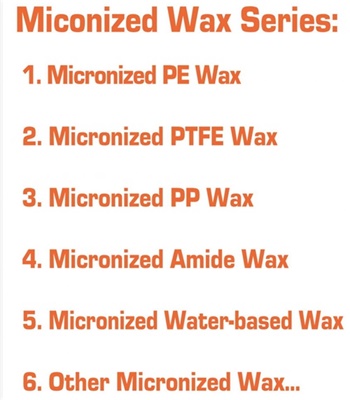
· Lilin PE dan PP Termikronisasi: Ini adalah komponen utama industri. Dikenal karena kekerasan dan ketangguhannya, bahan ini memberikan lapisan pelindung tahan lama pada permukaan pelapis. Bahan ini ideal untuk mengurangi goresan dan bekas gesekan pada berbagai sistem.
· Lilin Fischer-Tropsch (FT): Menawarkan kekerasan unggul dan titik leleh tinggi, lilin FT merupakan pilihan premium untuk lingkungan yang menuntut. Bahan ini unggul pada pelapis industri dan logam, di mana sifat anti-bekas dan ketahanan suhu tidak dapat dikompromikan.
· Lilin Termodifikasi PTFE: Ini adalah "bahan rahasia" untuk daya tahan tingkat tinggi. Campuran PTFE (Politetrafluoroetilena) menawarkan koefisien gesekan yang sangat rendah, menghasilkan kelicinan superior dan tingkat daya tahan tertinggi. Bahan ini sering digunakan untuk kemasan premium, label, dan pencetakan komersial di mana kualitas sangat penting.
Formulasi Spesifik Aplikasi: Pelapis vs. Tinta
Merumuskan Pelapis
Dalam pelapis, baik yang diaplikasikan pada kayu, logam, maupun substrat otomotif, lilin harus melengkapi mekanisme pengeringan.
· Pelapis Berbasis Pelarut & UV: Lilin PE dan PP termikronisasi sering menjadi standar, karena tidak larut dalam sistem tetapi bermigrasi ke permukaan untuk membentuk lapisan pelindung.
· Pelapis Berbasis Air: Ini adalah ranah emulsi lilin. Produk yang telah didispersikan sebelumnya ini larut dalam air dan menyatu dengan baik, meningkatkan kehalusan, hidrofobisitas, dan perilaku anti-lengket tanpa membuat formulasi tidak stabil.
· Pelapis Serbuk: Lilin dengan titik leleh tinggi, seperti jenis FT tertentu, sangat penting untuk menahan siklus pengeringan termal sekaligus memberikan tekstur atau kelicinan permukaan yang diinginkan.
Merumuskan Tinta
Tuntutan pencetakan berkecepatan tinggi dan penanganan setelah pencetakan berarti tinta memerlukan ketahanan gosok dan kejernihan cetak yang konsisten.
· Tinta Fleksografi & Rotogravur: Dispersi lilin lebih disukai di sini. Bahan ini mudah dimasukkan dan memastikan keseragaman permukaan yang sangat baik, mencegah noda selama proses penggulungan dengan tegangan tinggi.
· Tinta UV: Lilin termikronisasi dengan partikel halus digunakan untuk mempertahankan efisiensi pengeringan sekaligus memastikan karakteristik anti-abrasi dan reproduksi titik yang jelas.
· Tinta Kemasan: Untuk kemasan makanan dan pencetakan komersial yang memerlukan nuansa sentuhan dan daya tahan tinggi, lilin termodifikasi PTFE memberikan gesekan ultra-rendah yang diperlukan untuk aliran lancar pada lini pengemasan.
Faktor Utama dalam Pemilihan Lilin
Formulator harus melihat lebih jauh dari sekadar label. Untuk membangun stabilitas, pertimbangkan parameter berikut:
1. Titik Leleh: Lilin dengan titik leleh tinggi (seperti FT) sangat penting untuk sistem yang mengalami suhu proses tinggi (misalnya, pelapis serbuk atau ekstrusi suhu tinggi).
2. Ukuran Partikel: Hal ini secara langsung memengaruhi kilap dan kehalusan permukaan. Partikel halus (termikronisasi) memberikan nuansa lebih lembut dan kilap lebih rendah, sering digunakan untuk mengendalikan tekstur permukaan.
3. Kekerasan: Lilin yang lebih keras umumnya memberikan ketahanan gores dan bekas yang lebih baik.
4. Bentuk: Apakah Anda menggunakan bubuk padat, dispersi siap pakai, atau emulsi? Sistem berbasis air hampir selalu memerlukan kimia stabil dari emulsi dan dispersi.
Masa Depan Formulasi
Seiring regulasi semakin ketat dan keberlanjutan menjadi prioritas, tren bergerak menuju kinerja lebih tinggi dengan dosis lebih rendah. Aditif canggih seperti lilin FT dan campuran PTFE memungkinkan formulator mencapai sifat unggul—seperti kelicinan dan daya tahan luar biasa—dengan tingkat penggunaan lebih rendah, meminimalkan dampak pada biaya formulasi dasar dan jejak lingkungan.
Memilih mitra yang tepat memastikan Anda tidak hanya menerima produk, tetapi juga solusi teknis yang meningkatkan efisiensi proses dan daya tarik produk akhir Anda.
Hubungi SUNMAN hari ini untuk rekomendasi teknis, formulasi khusus, atau untuk meminta sampel dan merasakan perbedaan aditif lilin yang direkayasa dengan presisi.



 Jaringan IPv6 didukung